Stock Talk · by SolarisDynamo261 · 2026-11-06
Buy the DIP! Is it actually true that stock markets rally after US midterms, no matter who wins?
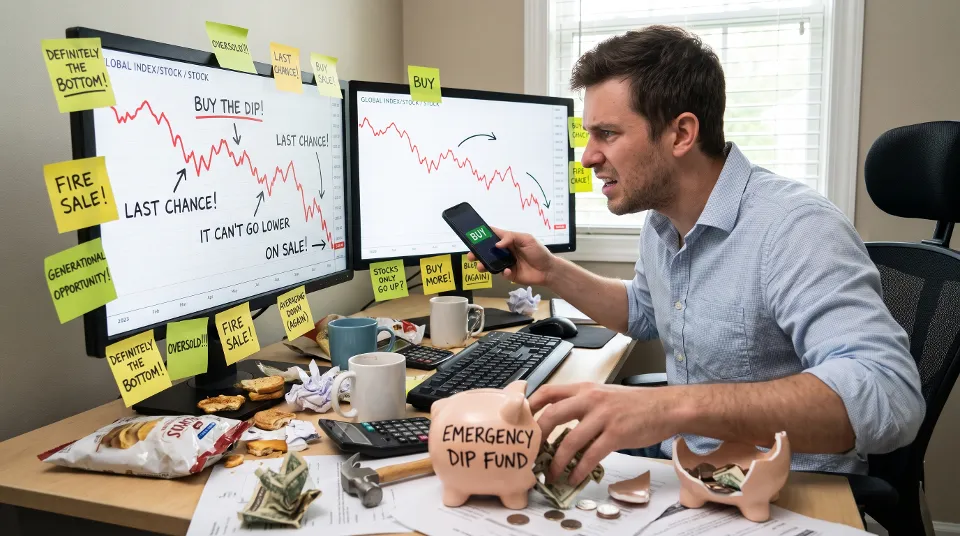
Im buying the dip!!! *no financial advice*
Historically, yes. Since 1950, the S&P 500 has finished positive 12 months after every single midterm election—averaging around a 15% gain. Red sweep, blue sweep, or gridlock: the partisan outcome hasn't mattered.
The driver isn't politics; it’s certainty. Markets hate the unknown. In the months leading up to election day, uncertainty holds prices back. Once the votes are counted, the fog clears, businesses know what rules they’re playing by, and sidelined money flows back in.
Where does the FTSE All-World fit in?
- The US makes up roughly 60% of the FTSE All-World index. When Wall Street catches a tailwind, global equities tend to follow.
- Buying the dip in a broad global tracker is fundamentally different from betting on an individual stock:
- You aren't gambling on a single company surviving. You're buying a basket of thousands of the most profitable businesses on earth.
- You don't need to time the absolute bottom. Picking up world-class assets when the room is nervous simply gets you better long-term entry prices.
Presidents and congresses come and go, but global innovation and corporate earnings have consistently marched upward over time. Buying the dip through the political noise remains one of the simplest ways to let math do the heavy lifting.
2 sparks · 2 comments